

The Nihonbashi area is a town where history and culture from the Edo period continue to thrive. The bridge that gave the area its name spans the Nihonbashi River and is designated as an Important Cultural Property of Japan. It also marks the starting point of the five major highways of Edo. Nihonbashi is filled with must-visit spots loved by both tourists and locals alike. Take your time to stroll through this historic downtown and soak in its atmosphere!
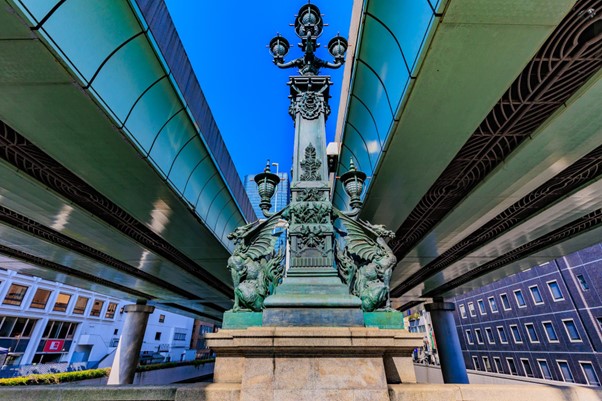
The Nihonbashi Bridge, first constructed in 1603 when Tokugawa Ieyasu established the shogunate, was the hub of transportation in Edo, bustling with merchants and travelers. The current bridge, built in 1911, features a majestic Renaissance-style double-arch stone design that adds to its beauty.
Nihonbashi serves as a central reference point for Tokyo’s road system, with Japan’s “Road Origin Marker” placed here. As you walk across the bridge, be sure to admire the stunning Kirin (mythical beast) statues adorning the railings.
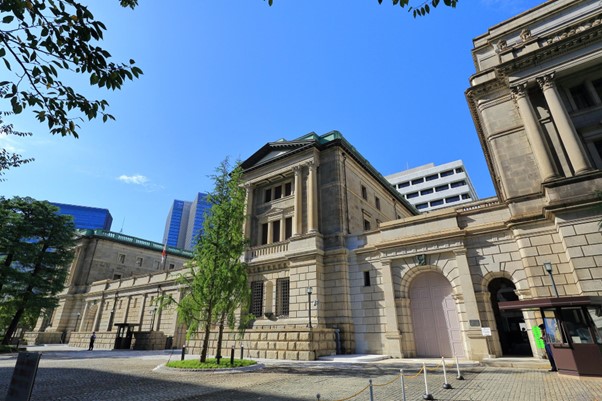
Located next to the Bank of Japan, the Currency Museum is a unique place where visitors can learn about the history and culture of money. It exhibits coins and banknotes from ancient times to the present, offering insights into Japan’s economic history.
The permanent collection includes rare and historically significant currencies such as Wado Kaichin and Tenpo Tsuhou. Visitors can also explore exhibits explaining the process of currency production and anti-counterfeiting techniques. One of the museum’s highlights is the opportunity to experience the actual weight of 100 million yen in cash, making it a popular spot for children as well
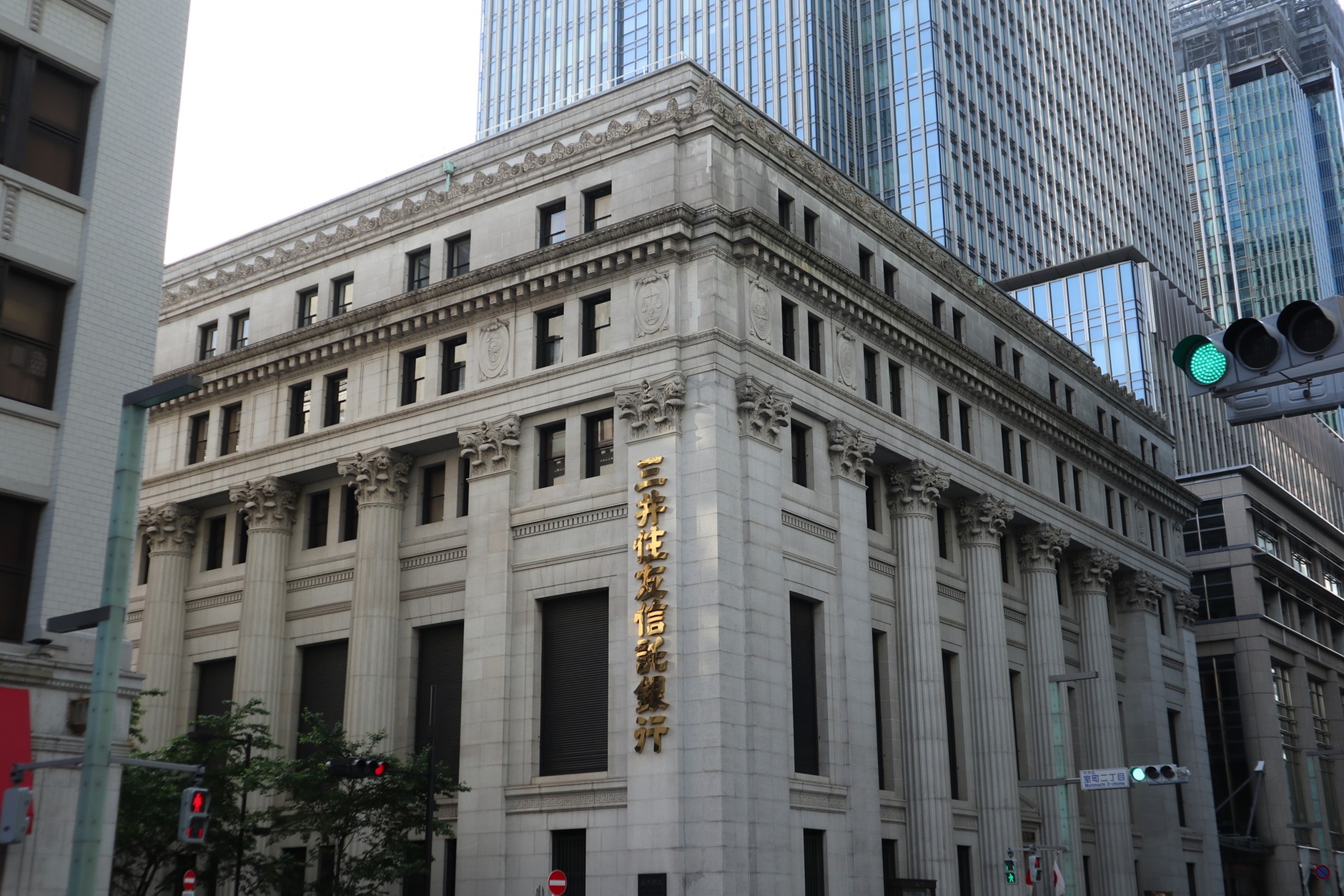
The Mitsui Memorial Museum showcases a collection of art and artifacts gathered over 350 years by the Mitsui family since the Edo period. The museum houses an impressive collection of Japanese and East Asian art, featuring six national treasures, including Maruyama Ōkyo’s famous painting Snowy Pine Trees Folding Screen and Fujiwara no Teika’s handwritten Kumano Pilgrimage Diary.
Exhibits include tea ceremony utensils, Noh masks, and Ukiyo-e prints, offering visitors a deep appreciation of traditional Japanese culture. The museum is housed in the historic Mitsui Main Building, an early Showa-era Western-style architectural masterpiece that is also a designated Important Cultural Property. The architectural beauty of the building itself is another highlight.
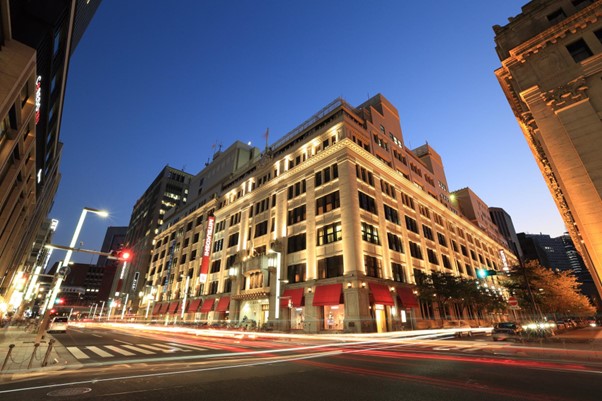
Established in 1673 as the kimono shop “Echigoya,” Nihonbashi Mitsukoshi became Japan’s first department store in 1904. This prestigious store is considered the birthplace of Japan’s department store culture.
Its classical architectural design showcases the elegance of Western classical styles. Notable features include the grand lion statues at the main entrance and the magnificent ceiling decorations in the central hall, where the famous Tenjo (Spirit of Sincerity) Statue stands. Shopping here offers an experience akin to visiting an art museum. Immerse yourself in the refined atmosphere of Japan’s first-ever department store.
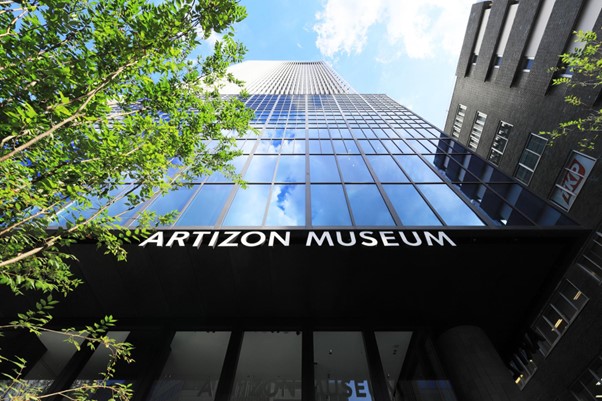
Located in the heart of Nihonbashi, ARTIZON MUSEUM reopened in 2020 with a modern approach to art. Its name combines “ART” and “HORIZON,” reflecting the museum’s aim to expand the horizons of artistic expression.
The museum’s collection spans from Impressionist masterpieces to contemporary art, featuring approximately 200 works, including pieces by Monet and Renoir. The museum also houses a stylish café on the first floor, providing a perfect spot to relax and reflect on the artworks.
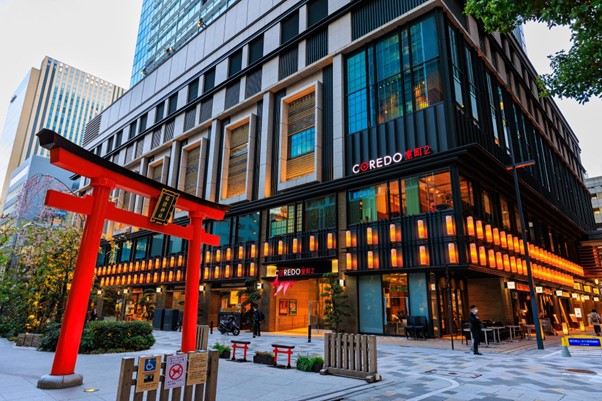
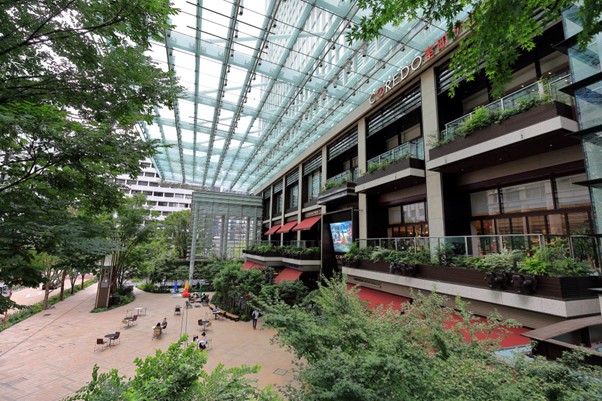
COREDO Muromachi, a commercial complex developed by Mitsui Fudosan, seamlessly blends Nihonbashi’s traditional culture with modern lifestyles. The facility features a cinema, gourmet restaurants, and luxury retail shops, making it a popular spot for shopping and dining.
Visitors can enjoy a variety of restaurants, including a dashi (Japanese soup stock) specialty store by Ninben, as well as Japanese, French, and Italian cuisine. The fusion of tradition and modernity makes COREDO Muromachi a unique place to explore, and it’s also great for finding souvenirs.
Adjacent to COREDO Muromachi is Fukutoku Shrine, a famous site believed to bring prosperity in business. Be sure to stop by while shopping.
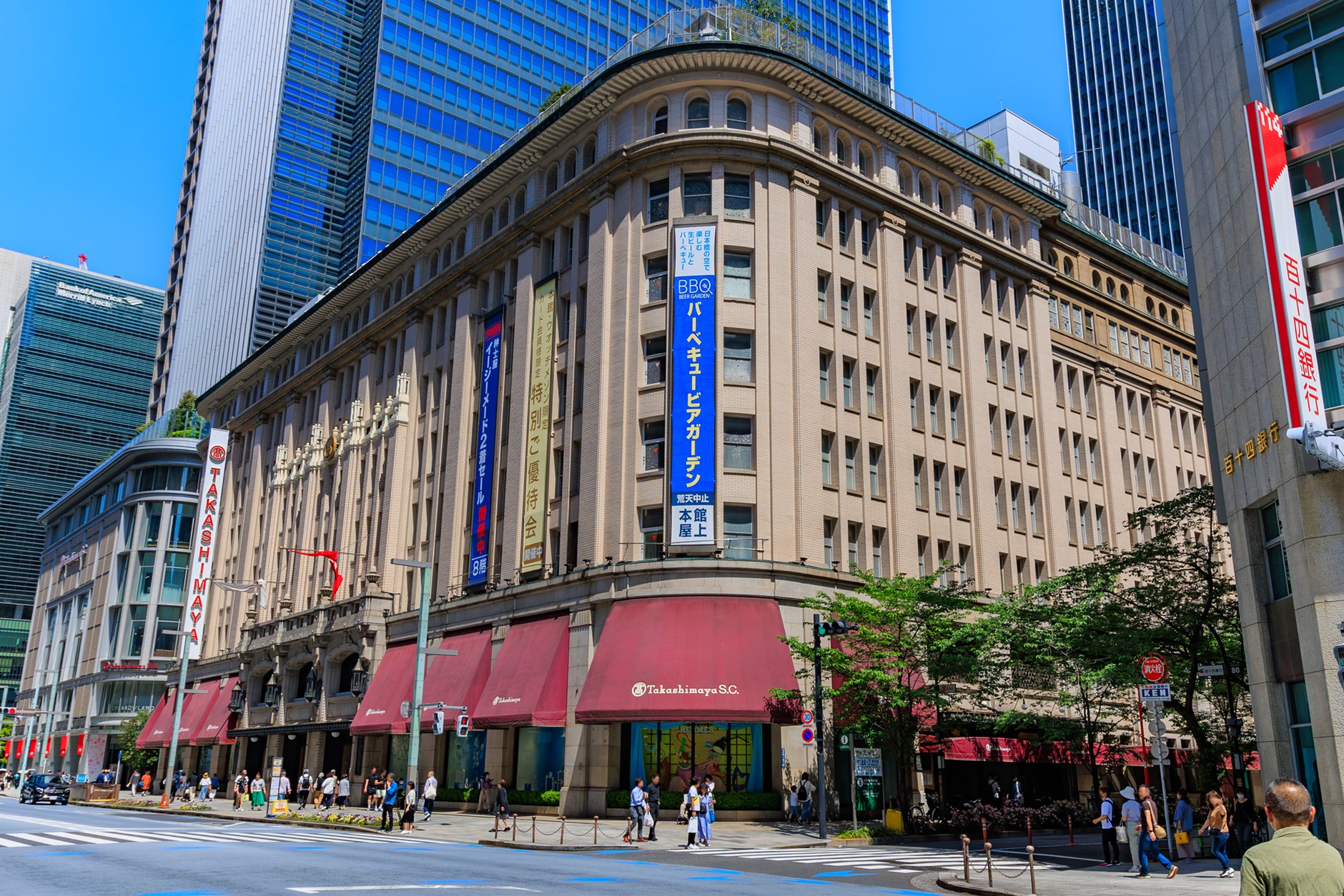
Nihonbashi Takashimaya S.C. opened in 2018 as an expansion of the historic Nihonbashi Takashimaya department store, which has been in operation since 1933. The main building, with its blend of Western historical and Japanese architectural styles, is designated as an Important Cultural Property.
Inside, visitors can admire the spacious two-story atrium, grand chandeliers, and an original elevator from the store’s early days. Takashimaya offers luxury brands, long-established Japanese confectionery shops, and traditional crafts, making it an ideal place to shop for high-quality gifts.
One of its hidden gems is the rooftop garden, where visitors can take a relaxing break while enjoying a touch of greenery in the city.
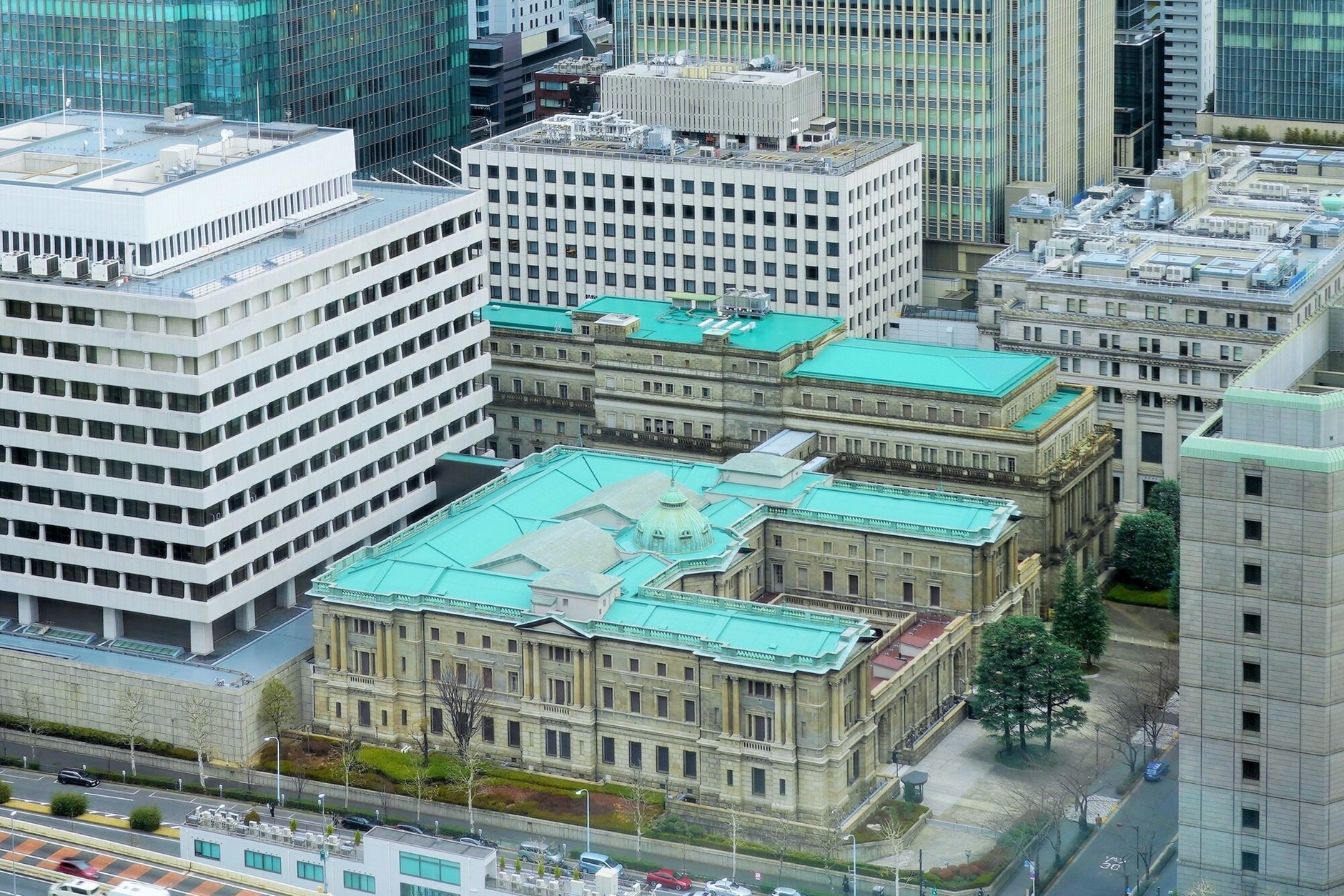
The Bank of Japan’s head office has played a key role in the country’s financial system since its completion in 1896. The historic building, designated as an Important Cultural Property, is said to have been modeled after the Bank of England, featuring a grand stone exterior that exudes classic elegance.
The bank offers guided tours (advance reservations required), allowing visitors to explore areas such as the underground vault and the main courtyard.
Nihonbashi is a fascinating district where history and modernity coexist. By visiting its cultural institutions, museums, and historical landmarks, you can experience both the traditions of Edo and the latest developments in art and architecture. Why not take a stroll through Nihonbashi’s charming streets and enjoy a mix of shopping, art, and history?
cover photo by PIXTA