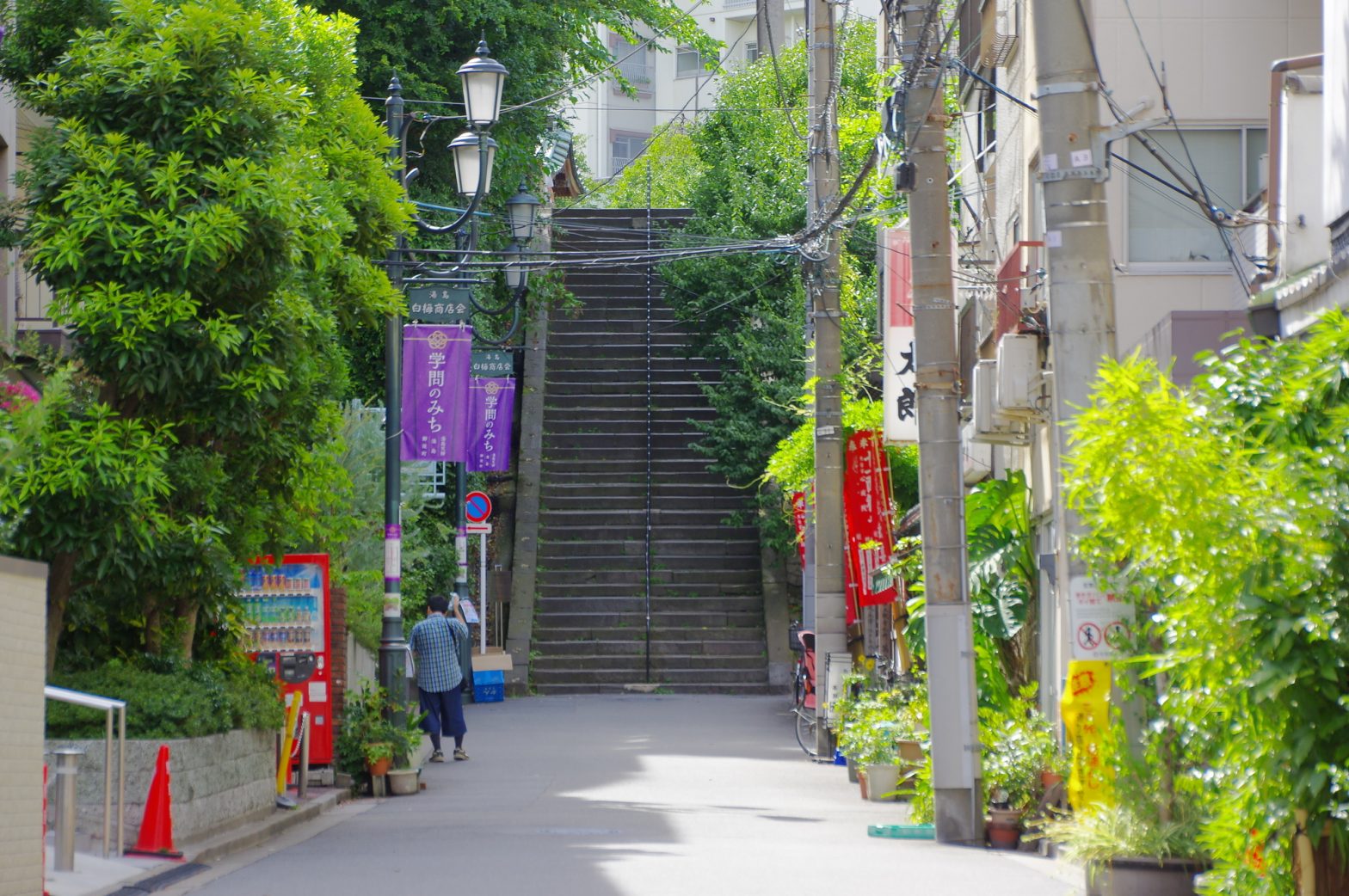

The Yushima area, located on the eastern side of Bunkyo Ward, is within walking distance from Ueno Station. This district is known for its historical landmarks, including Yushima Tenjin and Yushima Seido, which add to its charm. At the same time, modern cafés and shops line the streets, creating a dynamic mix of tradition and contemporary culture that appeals to visitors of all ages.
In this fascinating and diverse area, you can explore iconic sites such as Yushima Tenjin, Yushima Seido, and the University Art Museum of Tokyo University of the Arts, all of which create an atmosphere rich in art and scholarship. Find your favorite spot and enjoy the unique charm of Yushima!
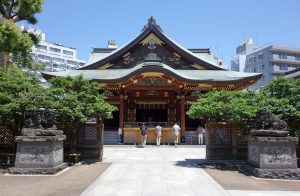
Yushima Tenjin, also known as Yushima Tenmangu, enshrines Sugawara no Michizane, the god of learning. Its origins date back to 458, when the shrine was first dedicated to the god Ameno-Tajikarao-no-Mikoto. Over time, the belief in Sugawara no Michizane as a patron of education grew, attracting students and scholars praying for academic success. During the exam season, students and their families from all over Japan visit the shrine, and the precincts become filled with ema (wooden plaques) bearing wishes for success.
A notable feature of the shrine is the “Nadeushi” (stroking cow) statue. It is believed that touching the same part of the cow’s body as where one has an ailment can bring healing. In February, the annual Plum Blossom Festival takes place, showcasing around 300 beautiful plum trees in full bloom, making it an ideal time to visit.
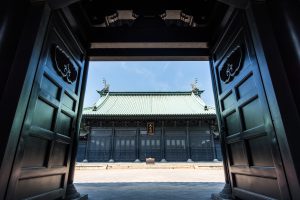
Yushima Seido is a Confucian temple and a historic center of learning in Japan. Originally established during the reign of Tokugawa Tsunayoshi, the fifth shogun of the Edo period, it later became the government-run Confucian academy, Shoheizaka Gakumonjo, in 1797. The institution played a crucial role in shaping Japan’s academic and governmental traditions.
Today, Yushima Seido is a designated national historic site, not only for its educational significance but also for its architectural beauty. The serene and solemn atmosphere offers a peaceful retreat from the bustling city, making it a perfect spot for contemplation and relaxation.
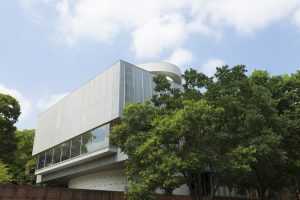
Located within the Tokyo University of the Arts campus, this museum serves as a public exhibition space showcasing the university’s vast collection of artworks.
Its permanent collection features a variety of artistic disciplines, including Japanese paintings, oil paintings, and sculptures created by alumni and faculty members. The museum also has an on-site café, providing a great place to relax between exhibitions
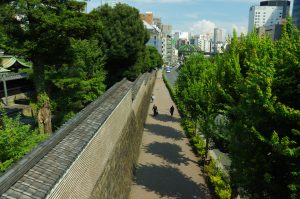
Shoheizaka Slope is a historic path situated about a 13-minute walk from Yushima Station and a 5-minute walk from Ochanomizu Station. It marks the boundary between Chiyoda Ward and Bunkyo Ward and was named after Shohei Township in Lu, China, the birthplace of Confucius.
At the base of the slope, near the corner of Yushima Seido, stands a stone monument inscribed with “Historic Site: Shoheizaka,” serving as a reminder of the area’s rich history. Be sure to stop by when visiting Yushima Seido.
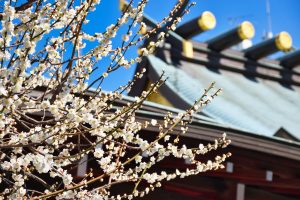
Yushima, with its iconic landmarks like Yushima Tenmangu and Yushima Seido, is well known as a town of learning. Despite its proximity to lively shopping districts, it retains a tranquil atmosphere with its many temples and shrines. In February, the Plum Blossom Festival adds seasonal beauty to the experience. Take your time exploring and immerse yourself in the unique blend of history, culture, and academia that Yushima has to offer.
All photos by PIXTA